
Share this product :
Hydrazine Hydrate
- Origin
- : China
- CAS Number
- : 10217-52-4
- HS Code
- : 2825.10.20
Basic Info
- IUPAC Name
- : hydrazine hydrate
- Molecular Formula
- : N2H4·H2O
- Molecular Weight (g/mol)
- : 50.0600
- Synonyms & Trade Names
- : Hydrazine hydrate; Hydrazinium hydroxide
- Purity / Assay (%)
- : 64% min
- Grade / Quality Level
- : Industrial Grade
- Physical Form
- : Liquid
- Concentration
- : Pure substance
- Appearance / Color
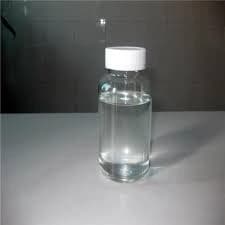
- : Clear to slightly colored liquid
- Odor
- : Ammonia-like
- Melting Point (°C)
- : -54.0000
- Boiling Point (°C)
- : 120
- Density (g/cm³)
- : 1.0320
- Solubility in Water
- : Miscible
- Signal Word
- : Danger
- UN Number
- : 3293
- GHS Hazard Class
- : Acute toxic; Carcinogen; Skin corrosive
- H-Statements
- : H301|H311|H314|H317|H331|H350|H410
- P-Statements
- : P201|P260|P264|P270|P271|P273|P280|P301+P330+P331
- REACH Status
- : Registered
- Drug Precursor Status
- : Non-precursor
- Storage Class (GHS)
- : 6.1
- Storage Conditions
- : Cool, well-ventilated; away from oxidizers; SVHC
Categories
Share this product :
Brief overview
Hydrazine hydrate is represented as H4 N2 . x H2 O. It is a colorless, flammable liquid with an ammonia-like odor. Pure anhydrous hydrazine was first prepared by the Dutch chemist Lobry de Bruyn in 1895. Hydrazine hydrate is toxic and must be handled with extreme care. Potential routes of hydrazine hydrate entering our body are through skin, eyes, by inhaling and by ingestion. Hydrazine is used in a wide range of industrial applications. It is used in the pharmaceutical industry, in agrochemicals, in fertilizers, in manufacturing polymer foams, and so on. .
Manufacturing process
Peroxide process – Hydrazine hydrate can be produced using ammonia and hydrogen peroxide. → Chlorine-based reactions – Sodium hypochlorite and ammonia is mixed together to form hydrazine. The process is called Olin Raschig process.