
Share this product :
Kaolin
- Origin
- : China
- CAS Number
- : 1332-58-7
- HS Code
- : 25070010
Basic Info
- IUPAC Name
- : kaolin (hydrated aluminosilicate)
- Molecular Formula
- : Al2Si2O5(OH)4
- Molecular Weight (g/mol)
- : 258.1600
- Synonyms & Trade Names
- : Kaolin; China clay; Kaolinite; White clay; China white
- Purity / Assay (%)
- : Al2O3 35-38%; SiO2 44-48%
- Grade / Quality Level
- : Technical Grade
- Physical Form
- : Solid
- Concentration
- : Pure substance
- Appearance / Color
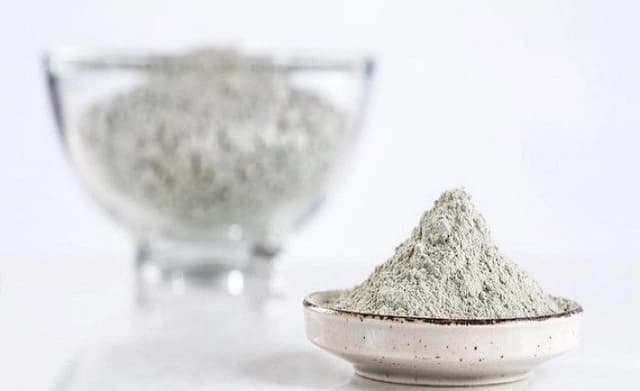
- : White to off-white solid
- Odor
- : Earthy
- Density (g/cm³)
- : 2.6000
- Solubility in Water
- : Insoluble
- UN Number
- : Not applicable
- H-Statements
- : None
- P-Statements
- : P260
- REACH Status
- : Registered
- Drug Precursor Status
- : Non-precursor
- Storage Class (GHS)
- : 13
- Storage Conditions
- : Cool, dry place
Categories
Share this product :
Brief Overview
Kaolin, or china clay, is defined as a white, claylike material composed mainly of kaolinite, a hydrated aluminum silicate (Al2O3·2SiO2·2H2O), and other kaolin-group minerals. Kaolin has a wide variety of industrial applications including paper coating and filling, refractories, fiberglass and insulation, rubber, paint, ceramics, and chemicals.
Manufacturing Process
Kaolin is both dry- and wet-processed. The dry process is more simple and produces a lower quality product than the wet process. Dry-processed kaolin is used mainly in the rubber industry, and to a lesser extent, for paper filling and to produce fiberglass and sanitary ware. Wet-processed kaolin is used extensively in the paper manufacturing industry.
In the dry process, the raw material is crushed to the desired size, dried in rotary dryers, pulverized and air-floated to remove most of the coarse grit. Wet processing of kaolin begins with blunging to produce a slurry, which is then fractionated into coarse and fine fractions using centrifuges, hydrocyclones, or hydroseparators. At this step in the process, various chemical methods such as bleaching, physical and magnetic methods may be used to refine the material. Chemical processing includes leaching with sulfuric acid, followed by the addition of a strong reducing agent such as hydrosulfite. Before drying, the slurry is filtered and dewatered by means of a filter press, centrifuge, rotary vacuum filter, or tube filter. The filtered dewatered slurry material may be shipped or further processed by drying in apron, rotary, or spray dryers. Following the drying step, the kaolin may be calcined for use as filler or refractory material. Multiple hearth furnaces are most often used to calcine kaolin. Flash and rotary calciners are also used.